
Our Blog

Brushing with Braces: How to Keep a Clean Mouth

January 20th, 2017
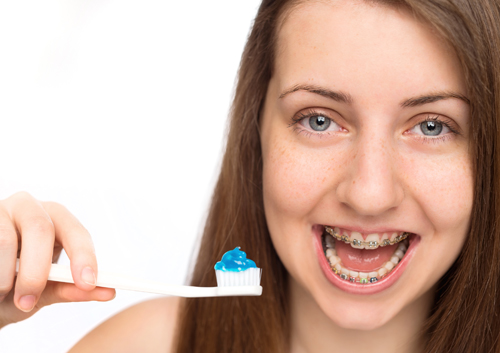
A clean mouth is a happy mouth. And when Dr. Allen Garai & Dr. Karen Tratensek and our staff see you have a clean mouth, we are happy too. Of course, all of this should make you happy because you’re the one preventing sneaky little food bits from getting trapped under the wires of your braces.

Still, you need to be thorough with your brushing. When you have braces, you’re playing a game of hide-and-go-seek with everything you eat. Here are five tips to keep your mouth (and us) happy.

  1. How is brushing with braces like geometry? It’s all about the angles. Brush the tops of your teeth and braces with your brush angled down. Brush the bottom of your teeth with the brush angled up. Pointy brushes, aka interproximal brushes, are good for reaching the tiny spots around braces.
  2. Brush after every meal. If those sneaky little food bits hide in your mouth for very long, they’ll turn into plaque. And plaque is a sign of a very unhappy mouth.
  3. Brush one tooth at a time for at least ten seconds, and pay close attention to the spots where your braces touch your teeth.
  4. Fluoride is your new BFF. Make sure your toothpaste and mouthwash contain this cavity-fighting ingredient.
  5. Braces are no excuse not to floss. In fact, saying you can’t floss because you have braces is like saying the dog ate your homework. Dr. Allen Garai & Dr. Karen Tratensek and our staff, like your geometry teacher, aren’t going to buy it. Be sure to floss after every meal.

Dangers of DIY Orthodontics on the Internet

January 6th, 2017

All over the Internet you'll find videos and articles showing how you can close the gap between teeth or space them out. There is a plethora of DIY orthodontic techniques out there — you can even mail order your own impressions to get clear aligners, without even seeing a dentist or orthodontist. Following the instructions laid out in these videos and articles (by people who have zero training in orthodontics) is about the worst decision you can make for your overall oral health.

Performing DIY or at-home orthodontia can lead to or cause:

  • Loss of teeth
  • Infection
  • Cavities or infections that are missed or undiagnosed
  • Gum damage

Dr. Christina Carter, president of the Northeastern Society of Orthodontists, says that DIY orthodontics can have terrible consequences. She spoke to TODAY about closing gaps between teeth using rubber bands or elastics:

"The teeth are connected to the gums and the blood supply and there is a risk of infection, of tearing the gums which might not heal properly, and a risk of damaging the attachment between the tooth and gums so the tooth no longer gets the support it needs." She also noted, "A simple rubber band can actually slide up the tooth and cut all the attachments to it and you can actually lose a tooth."

One of the worst parts about DIY orthodontics is that you never consult with a trained orthodontist, so you're really operating on a dangerous lack of information. It's best not to risk damage to your teeth or infection. Let Dr. Allen Garai & Dr. Karen Tratensek know what you want to accomplish with your teeth and we will help you find the safest and most cost-effective way to achieve it.

Dr. Allen Garai & Dr. Karen Tratensek want you to be informed and practical about your oral health. Should you have any questions about orthodontic treatment options, please do not hesitate to give us a call at our convenient Vienna, VA & Great Falls VA office.

Post-Braces Care: Wear your retainer!

December 23rd, 2016

Many patients underestimate the importance of wearing their retainers after their braces come off, but it is one of the most critical post care practices to keep your teeth in alignment. Why spend all that time, energy, and money to straighten your teeth when you don't plan to keep them straightened after treatment?

What is a retainer?

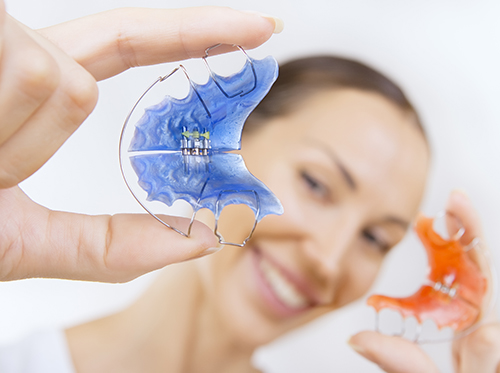
As the name implies, a retainer keeps teeth from moving back to the positions in which they started before treatment was administered; they "retain" your smile and bite. There are many different types of retainers—some are removable and some are permanent. Some retainers are made of plastic and metal (known as Hawley retainers) and others are all plastic or all metal. Some retainers can even be bonded to the back of your teeth!

How long do I need to wear it?

If you've been given a removable retainer by Dr. Allen Garai & Dr. Karen Tratensek, you may be wondering how long you need to wear it. It takes time for the tissues and bones around your teeth to reorganize and set into place after braces treatment.

The amount of time you’ll need to wear your retainer depends on your unique situation, but typically, retainers should be worn at least as long as the time you spent in braces. You might need to wear them full-time for a while, and then transition to wearing them only at night. Dr. Allen Garai & Dr. Karen Tratensek will have a treatment plan especially for you, and if you stick to it, you'll always have a straight smile.

Nothing is forever (at least without retainers!)

Research has shown that there is no “permanent” position for your teeth to remain in. In fact, some studies say upward of 70% of patients will see a change to their bite and tooth alignment as they get older. This applies to people who have had orthodontic treatment and those who have not. Of course, some people's teeth never seem to shift—you can consider them the lucky ones, as most people's teeth do.

And this is precisely where retainers come in. The only way to ensure your teeth stay in alignment long-term is by wearing your retainers. If you have any questions about retainers or your treatment plan, please ask any member of our Vienna, VA & Great Falls VA staff.

How to Protect Your Braces During Sports Activities

December 16th, 2016

Proper mouth protection is recommended by Garai Orthodontic Specialist when you participate in any sports activities. If you wear braces, this protection becomes essential. Injuries to your mouth can not only damage your teeth, but your braces could break and cut open your lip.

Full Facial Guards

Full facial guards are often used in football and offer protection to your mouth from most injuries. Even with full facial protection, you may benefit from additional mouth protection. While your face is protected from outside impact, you could still suffer from cuts or damage to your braces from internal impact.

Mouthguards

Mouthguards referred to as boil-and-bites can be purchased at many retail stores. As the name implies, these guards are boiled in water to heat and soften the material. While the guard is still warm, you place it in your mouth and bite down gently. This causes the guard to form to the shape of your mouth. Unfortunately, these guards do not necessarily offer the best protection or fit.

Dr. Allen Garai & Dr. Karen Tratensek can make custom mouthguards specifically for you. The custom fitting ensures you of better protection and a comfortable fit. Custom guards are also built in layers for durability. The American Dental Association recommends custom guards for orthodontic patients. Your mouthguard will be designed to provide proper protection for both your teeth and your braces.

No matter what type of sport you participate in, a mouthguard can protect your braces. Even an activity as seemingly harmless as table tennis can result in a contact injury. The Academy for Sports Dentistry states that a properly fitted mouthguard should not interfere with any athletic activity.

Garai Orthodontic Specialist will provide you with properly-fitting mouth protection to ensure the safety of your braces and your teeth. We will be glad to answer any questions you have so you can continue the activities you enjoy with little concern. If you do suffer any injuries to your mouth or braces during sporting activities, please contact us immediately. The sooner we can care for your mouth, the better the results will be.

Best OrthodontistWashingtonian Magazine
Top OrthodontistVirginia Living
Top OrthodontistConsumer's Research Council of America
Best OrthodontistFamilies Magazine
Top OrthodontistNOVA Living Magazine
Top OrthodontistNorthern Virginia Magazine
Top OrthodontistHealth and Beauty Magazine
Top OrthodontistWashington Consumer Checkbook Magazine
Back to top
Contact Us!
call email