Our Blog

What causes crooked teeth?

September 30th, 2016
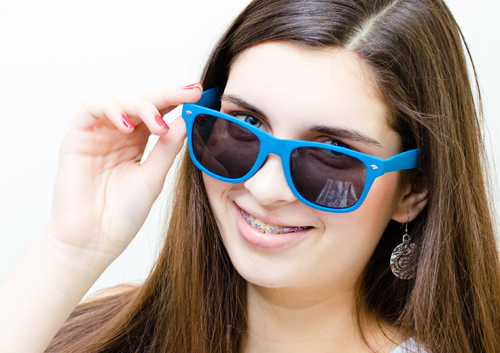
Teeth erupt crookedly for a number of reasons that range from genetics to mouth deformities and serious oral diseases. When extra teeth or abnormally large teeth create a malocclusion (crookedness or misplacement of teeth), the culprit is usually genetic in nature. Other inherited traits involve jaws that are too small to accommodate a full set of teeth and misaligned jaws that did not form properly in the womb.

Can crooked teeth be prevented?

In most cases, underbites, overbites, and crooked teeth are genetically derived and can’t be avoided. Orthodontic treatment with braces will be necessary to correct the condition once the child is old enough to wear them. However, certain early childhood behaviors may also contribute to the development of crooked teeth that can be avoided. These include:

  • Thumb sucking and tongue thrusting
  • Losing baby teeth to decay before permanent teeth have naturally pushed them out of their sockets
  • Allowing pacifier use to continue after front teeth have erupted

Permanent teeth underneath baby teeth are directly affected by the health of baby teeth. If baby teeth are prematurely lost due to decay or trauma, permanent teeth will shift when they start moving upward. Baby teeth are like anchors for permanent teeth that help guide them as they erupt through the gums.

In addition, excellent care of baby teeth is vital to having healthy permanent teeth free of discoloration or decay. Harmful oral bacteria can spread into the gums and reach permanent teeth still buried in the gums. Once attached to a tooth’s enamel, bacteria will begin eroding the tooth even before it has a chance to take its first bite!

When to Start Orthodontic Treatment for Crooked Teeth

Dr. Allen Garai & Dr. Karen Tratensek and our staff suggest that parents bring your child to Garai Orthodontic Specialist around age seven to rule out potential issues with permanent teeth eruption. If problems are discovered, it is not unusual to begin orthodontic treatment at that age. In fact, specific conditions such as crowding and gaps between teeth are easier to correct at an early age.

Early treatment also benefits from the growth process of the jaw, which helps move teeth to normal positions.
Common Issues with Braces: How to avoid bad breath

September 23rd, 2016

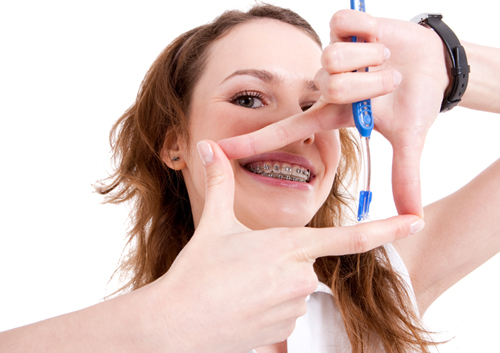
A bright, beautiful smile is often achieved with braces. The time you spend wearing braces is an investment in the good health and appearance of your smile. However, Dr. Allen Garai & Dr. Karen Tratensek and our staff know that having braces on your teeth can pose challenges. Many of these challenges are commonly faced by all who wear braces, such as flossing, getting food stuck in your braces, and bad breath.

Today, let’s address bad breath and what to do about it. There’s no reason you have to shy away from conversation for fear that you’ve got bad breath.

Fresh Breath Tips for Braces Wearers

  • Eat a Healthy Diet. Unhealthy foods that are laden with sugar can contribute to bad breath. Stick with healthy produce, protein, grains, and dairy found on the list of foods your orthodontist says are safe to eat with braces.
  • Drink Non-Sugary Beverages. Likewise, steer clear of sugary sodas and juices for the same reason. They contribute to bad breath.
  • Stay Hydrated. A mouth that’s continually dry can lead to bad breath by inhibiting your production of saliva. Regular production of saliva removes bacteria and excess food from your mouth, both of which cause bad breath.
  • Brush Often. Brush your teeth and tongue first thing in the morning, after each meal and snack, and before you go to bed, to remove food particles and bacteria that cause bad breath.
  • Don’t Forget to Floss. Flossing with braces might seem tricky, but it is a necessity. Ask Dr. Allen Garai & Dr. Karen Tratensek to show you the best way to floss effectively with braces.
  • Mouthwash Use. Use the mouthwash recommended by Dr. Allen Garai & Dr. Karen Tratensek. For the best results, swish the mouthwash around in your mouth for 30 seconds.
  • Get Regular Cleanings. Regular dental exams and cleanings are more important when you have braces. Cavities can delay your treatment progress, so be sure to visit your dentist every six months.

Practice Good Hygiene Daily

Good oral hygiene practices are important every day, whether you wear braces or not. But they become even more important during the months you wear braces. In addition to your regular orthodontic checkups, see your general dentist for cleanings and exams.

Together, you and our Vienna, VA & Great Falls VA team will keep your mouth healthy and fresh during and after your orthodontic treatment.

Braces-Friendly Recipe: Dinner

September 16th, 2016

Wearing braces during your treatment at Garai Orthodontic Specialist presents some unique challenges in the types of food you can safely eat. The wrong items can be difficult to remove from between your teeth and the appliance. Other foods may even break or loosen your braces.

Dinner recipe ideas

Lasagna is a great dinner choice because it provides you with several food groups in one easy dish.

  • 1 ½ pounds ground hamburger
  • 1 garlic clove
  • 1 tsp. basil
  • 1 pound diced tomatoes — canned is fine
  • 12 oz. tomato paste
  • 1 package of dry spaghetti sauce mix for seasoning
  • 10 oz. box dry lasagna
  • 3 cups ricotta or cottage cheese or 1 ½ cups each mixed
  • ½-cup Parmesan cheese
  • 2 eggs
  • 1 pound sliced or shredded Mozzarella cheese

Brown and drain your hamburger meat. Dice the garlic and simmer the hamburger, garlic, basil, diced tomatoes, tomato paste and powdered sauce mix for ½ hour.

Cook the lasagna noodles as directed on the package and drain.

Beat the eggs and combine them with your ricotta or cottage cheese.

Layer ½ of the noodles in a 13 x 9 pan. Spread ½ of your cottage cheese mix on top of the noodles, then layer ½ of the mozzarella on top. Finish this layer with ½ of your hamburger mix. Repeat the layering with the other half of your ingredients. Bake at 350 F for 30 minutes.

Meats

You can enjoy ribs and chicken wings as long as you cut the meat from the bone before you eat. The same rule applies to turkey legs; do not gnaw on bones, because this can damage your braces.

Vegetables and fruits

You still need to include fruits and vegetables in your daily meals. Skip corn on the bob, whole apples, and raw carrots. Broccoli is soft but particles can become stuck in your braces, so be sure to brush and floss after your meal.

Desserts

Avoid caramel, taffy, and hard candies for dessert. Pudding and ice cream are fine, but low-sugar versions are best.

Remember that your mouth will be sore after adjustments with Dr. Allen Garai & Dr. Karen Tratensek. Stick to softer foods until the sensitivity is reduced. Please do not hesitate to ask our team for recipe and meal ideas. We will be happy to take the time to explain which foods items are the best choices and why.

If you have any questions about these recipes, or if you have any questions about eating with braces, please give us a call at our Vienna, VA & Great Falls VA office!

What role do elastics (rubber bands) play in orthodontics?

September 9th, 2016

Wearing orthodontic braces may be the best choice for correcting your teeth and improving your smile, and that's why you've come to see Dr. Allen Garai & Dr. Karen Tratensek at Garai Orthodontic Specialist. Braces, which consist of brackets and wires, work by gently applying pressure to the teeth, and that pressure causes them to move into the correct position. In some cases elastics, or rubber bands, are used to apply additional pressure needed to move your teeth.

The Purpose of Elastics

Customized for each patient, the rubber bands typically stretch over tiny loops on the top and bottom brackets. If worn consistently, and every day, these tiny elastics will apply the steady pressure needed to guide your teeth into the correct position.

These elastics are crafted from medical-grade latex, which is safe to be in contact with your mouth. It's common to remove the elastics during meals if opening your mouth wide enough to eat is difficult. Our staff will demonstrate how to affix the elastics so it will soon become second nature to replace them.

The Do’s and the Don'ts

DO - Get in the habit of carrying around extra rubber bands and replace them as soon as one breaks. By consistently wearing the elastics, you may shorten the overall time needed to wear braces.

DON'T - Double up on elastics as this will cause too much pressure on the tooth or teeth and can actually harm the root of the tooth.

DO - Always wash your hands before removing or replacing the rubber bands.

DON'T - Overstretch the rubber band or it will lose its strength and it will be ineffective.

DO - Call us if you run out of rubber bands.

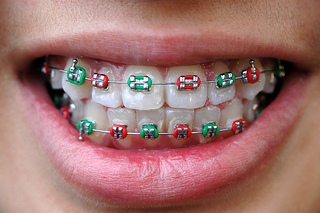
DO - Have fun with your braces and elastics. There are many different colors available that can let you show off your soon-to-be perfect smile.

Rubber bands are a key part of your orthodontic treatment, and learning how to remove and replace them is an important part to maintaining your braces. Before we set you on your journey to a perfect smile, we'll make sure you understand all there is to know about how to take care of your braces. Of course, if you have any questions about your orthodontic treatment, or orthodontics in general, be sure to contact our Vienna, VA & Great Falls VA office, and our staff will be happy to assist you!

Best OrthodontistWashingtonian Magazine
Top OrthodontistVirginia Living
Top OrthodontistConsumer's Research Council of America
Best OrthodontistFamilies Magazine
Top OrthodontistNOVA Living Magazine
Top OrthodontistNorthern Virginia Magazine
Top OrthodontistHealth and Beauty Magazine
Top OrthodontistWashington Consumer Checkbook Magazine
Back to top
Contact Us!
call email