
Our Blog

Caring for Your Dog’s Teeth

April 1st, 2020

It may come as a surprise to learn that dogs, like humans, have both baby and adult teeth. Most dogs, unlike humans, have all of their adult teeth by the time they are seven months old, so it’s time to start looking after their dental health when they are still puppies.

While dogs generally don’t develop cavities, periodontal disease is the one of the most common diseases affecting dogs. Periodontal disease starts when the bacteria in your pet’s mouth form plaque. The plaque can harden into tartar, and, if plaque and tartar spread under the gum line, can be responsible for a number of serious problems. Veterinarians warn that tooth loss, tissue damage, bone loss and infection can be the result of periodontal disease. Professional dental treatment is important if your dog is suffering from periodontal disease, and your vet can describe the options available to you. But the time to act is before disease develops. Let’s bone up on some preventative care!

Brushing

There are brushes and toothpastes designed especially for your dog. Train your puppy from an early age to open his mouth to allow you to examine his teeth and gums. (This will also come in handy if you ever need to give him medicine.) Most dogs will accept brushing, and toothpastes come in dog-friendly flavors. Human toothpaste should never be used because it contains cleaners and abrasives that should not be swallowed by your pet. There are also dental wipes available that can be used once and thrown away. Your vet can advise you how to ease your pet into a brushing routine.

Gels and Rinses

Whether you rub an antiseptic gel on your dog’s teeth or squirt an antiseptic rinse into his mouth, these formulas can reduce the build-up of plaque. Not all dogs take to the taste of these solutions, but in general they are safe and effective. Ask your vet for recommendations if you would like to try this method.

Diet

Several dietary products offer anti-plaque ingredients or a kibble shape designed to reduce the formation of plaque. Talk to your vet for the best possible diet and nutrition suggestions for your unique pet.

Chew Toys

Chewing can help reduce plaque build-up if done consistently, and chew toys should be chosen for tooth and digestive safety. Some animal-based products and hard plastic toys are so rigid that they can cause damage to teeth or gums, so be sure to look for safe toys.  Dogs shouldn’t be left alone with toys due to choking or swallowing hazards—if the chew toy becomes small enough to cause choking, or your dog is swallowing large chunks that might not be digestible, time to replace it.

Your veterinarian is the best resource for maintaining your dog’s health and developing a dental routine both you and your pet can live with. When your four-legged friend goes for his next check-up, ask your vet what you can do to keep him and his smile fetching for a long, long time.
Ceramic Braces

March 4th, 2020

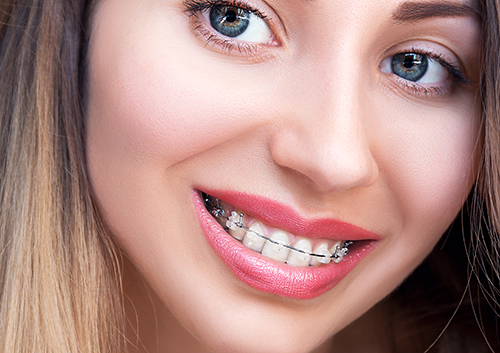
Congratulations! You have made the decision to get orthodontic treatment at our Vienna, VA & Great Falls VA office. Now it’s time to choose among your various appliance options. Traditional metal brackets and wires, lingual braces, a series of aligners—they all have positives to recommend them. And for some people, ceramic braces are the clear favorite.

Ceramic braces work like regular metal braces. Brackets are bonded to the front of each tooth, and rubber bands surrounding the brackets hold the arch wire that gradually moves the teeth into alignment.

Ceramic braces, however, use brackets made of clear or tooth-colored ceramic or porcelain which blend beautifully with the color of your tooth. The elastic ligatures, or rubber bands, can be chosen to match the brackets or your enamel. There are self-ligating ceramic brackets which don’t use bands at all. Technology is even working on ways to make the arch wire less visible! The end result is braces that are almost undetectable.

If you want a less obvious appliance for professional or personal reasons, talk to us about ceramic braces. As always, there are other factors to consider before you decide, which we will be happy to discuss with you.

  • Ceramic brackets are very strong, but they are still more brittle than the metal model. If you play a contact sport, these might not be for you. (But whatever braces you choose, please wear a mouthguard when playing sports.)
  • Ceramic braces might not be ideal depending on the amount of alignment and bite correction that is needed. They might also take a bit more time to bring your teeth into alignment. We will be able to tell you if ceramic braces will work for you and if they might require a longer period to move your teeth to their perfect position.
  • Brackets can sometimes be somewhat larger (though this isn’t always the case), and, because they can be abrasive, are often recommended for upper teeth only. This way, the lower teeth will not impact, or be impacted by, contact with the upper teeth.
  • Oral hygiene can trickier with ceramic braces. Although today’s brackets aren’t as prone to staining, you still need to be careful to brush away the plaque that can accumulate around the brackets. And the bands are susceptible to staining by the usual suspects—coffee, tea, colas, blueberries, or any strongly colored food or beverage.
  • Costs will differ depending on the treatment method you choose. Talk to us about cost comparisons with other orthodontic treatments.

Ceramic braces, because they are so much less visible, are a popular orthodontic option, especially for older teenagers and adults. If you are interested, talk to Dr. Allen Garai & Dr. Karen Tratensek about this effective way to straighten your teeth—discreetly. Ceramic might be the clear solution for creating your lasting, beautiful smile.

Tips to Keep Braces Clean

February 26th, 2020

Orthodontic technology changes and improves all the time. Today’s braces are lighter, smaller, and more efficient than those of past years. Wires are thinner and more flexible. Even brackets come in different styles and colors. These developments are all great news for braces wearers. Unfortunately, there is one advancement we haven’t been able to offer: self-cleaning braces.

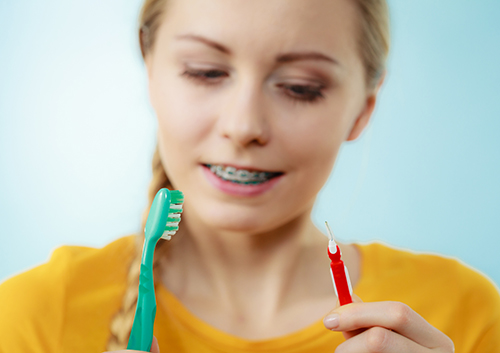
Brackets and wires can both trap food particles and make brushing them away more difficult. This can lead to increased plaque, cavities, and staining around the area of your braces. But with the proper supplies and habits, keeping your braces clean will become routine in no time.

Braces-healthy Supplies

  • Toothbrush

Your old toothbrush might work well enough with some brushing adjustments. We can show you how to angle your brush so it works most effectively, and how to make sure the bristles clean around your braces. Or, if you like, there are actually manual toothbrushes designed just for braces. These have V-shaped bristles to make cleaning around the brackets easier. Some people find an electric toothbrush works best. Whichever type of brush you use, be sure you use it often!

  • Floss

Again, if regular floss works for you, stay with your normal products. If you are finding it difficult to get into the narrow spaces around your braces, there are floss threaders to get the floss into tight spaces, and flosses specially designed to work with braces.

  • Interproximal brush

A big name for a tiny brush! These little cone-shaped brushes can clean around your brackets and under your wires—a great way to reach parts of your teeth your regular brush can’t.

Braces-healthy Habits

  • Brush after every meal and sugary drink

Because food particles tend to stick to your braces, and the bacteria in plaque feed on these particles, your enamel is under attack without thorough cleaning after meals. Take a toothbrush and supplies with you to school or work so that you can always brush after eating. If there is absolutely no way to brush, be sure to rinse immediately with water.

  • Brush carefully

Pay attention to each tooth, the area around your braces, and your gum line. And don’t forget the tops and inside of your teeth! A common suggestion for braces wearers is to devote at least ten seconds to each tooth. We might also recommend a special mouthwash to reduce bacteria and help keep your mouth and breath fresh.

  • Brush on the go

Put together a cleaning kit for when you are out of the house. A brush, some floss, and toothpaste in a handy container will let you brush whenever you need to, wherever you may be. Leave it in your backpack or bag, and you’re ready for anything!

  • Watch your diet

Foods that stick to teeth will stick to braces, so avoid caramels, licorice, chewy candies, and any other sticky treats. Why make your life more difficult?

While braces can make brushing and flossing more complicated, you can still keep your teeth clean, bright, and cavity-free. And remember, regular dental exams and professional cleanings are more important than ever during this time. At your next visit to our Vienna, VA & Great Falls VA office, talk to Dr. Allen Garai & Dr. Karen Tratensek about the best products and practices for the cleanest possible teeth and braces. We have plenty of ideas to help make sure you’ll have the healthy, beautiful smile you’ve worked so hard for when those braces come off!

How Do I Care For My Pet’s Teeth?

February 19th, 2020

Our pets are a valued part of the family, but dogs and cats are not regularly known for their minty-fresh breath. Did you know that bad breath can be a sign of a more serious dental problem for your furry companion?

If you live with a pet or two, you’ll want to brush up on your animal dental knowledge and make sure everyone’s teeth stay healthy.

Proper dental care is essential to a pet’s overall well-being. About 80 percent of dogs and 70 percent of cats suffer from periodontal disease after the age of three.

Not only is this unhealthy for their mouth, it can lead to more serious health problems, including organ damage and heart failure. Toxins from periodontal disease seep into your pet’s bloodstream and have the potential to cause fatal organ damage.

Your veterinarian will check your pet’s teeth at an annual or six-month examination, but here are a few signs of periodontal disease you should watch for at home:

  • Yellow/brown tartar
  • Foul breath
  • Red, inflamed, or bleeding gums
  • Excessive drooling
  • Pawing at the mouth or rubbing one’s jaw against objects
  • Difficulty chewing

Aside from regular checkups at the vet, the best thing you can do for your pet is brush its teeth daily. Bacteria can recolonize onto the surface of teeth within 24 to 36 hours, so it’s essential to remove plaque before it turns into tartar. Ask your vet for a recommended toothbrush and pet toothpaste.

Dental hygiene chews can also help to reduce the effects of gingivitis, but some chews can actually make your pet’s oral health worse. Treats such as cow hooves, pig’s ears, and animal bones can damage teeth and cause other problems if ingested. Your vet can help you choose items that are healthiest for your pet.

Your dog’s favorite toys may also pose a threat to their oral health. Abrasive toys such as the popular green tennis balls can create wear and tear on the surface of pets’ teeth.

As with your own teeth, your dog or cat’s oral health plays a large role in its overall health. Remember to schedule regular checkups and ask your veterinarian for more tips on how to care for your pet’s teeth most effectively.

Best OrthodontistWashingtonian Magazine
Top OrthodontistVirginia Living
Top OrthodontistConsumer's Research Council of America
Best OrthodontistFamilies Magazine
Top OrthodontistNOVA Living Magazine
Top OrthodontistNorthern Virginia Magazine
Top OrthodontistHealth and Beauty Magazine
Top OrthodontistWashington Consumer Checkbook Magazine
Back to top
Contact Us!
call email