
Our Blog

Worst Candy for Braces

October 21st, 2026
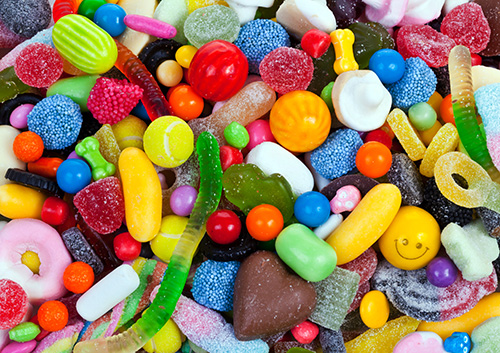
Most kids love candy; actually, most people in general love candy. So when it comes time for you to get braces there can often be a natural conflict between candy consumption and maintaining the integrity of your braces. For that reason, Dr. Allen Garai & Dr. Karen Tratensek and our team know that it’s good to know which types of candy are not good for your braces. To better illustrate, here are some candies that you will want to avoid.

Caramel

Caramel is a sweet and often exceedingly sticky and chewy type of candy that just does not mix well with braces. Caramel can cause a mess in regular teeth, but teeth with braces are a whole other story. The sticky candy can very easily get lodged and stuck between the teeth, gums, and braces, making for a difficult task of cleaning your mouth. And if your teeth don't get cleaned properly, cavities can easily form. If you get cavities while you have braces, that could mean additional appointments at our Vienna, VA & Great Falls VA office and an extended treatment time.

Salt Water Taffy

Another sticky and chewy candy to avoid with braces is salt water taffy. For many of the same reasons as caramel, it is best to avoid taffy until you get your braces removed. It may be a long wait, but when it comes to the health of your teeth, and the purpose of your braces, it really is best to avoid taffy.

Popcorn

Popcorn of any kind is best to avoid when you have braces. The kernels can easily do damage to the braces as you chomp on them, and they can get stuck between your teeth and the braces causing discomfort and further complications. In this sense it does not matter which flavor of candy popcorn you eat, all popcorn is bad news until you get your braces off.

Generally speaking, any candy that is chewy, crunchy, or sticky is not a good idea to eat with braces in your mouth. These types of candy will make life wearing braces much more difficult than if you were to just wait until your braces come off. With a little patience you will be back to eating all your favorite candy again, and with straightened teeth at that.


Osteoporosis and Oral Health

October 14th, 2026

Today, Dr. Allen Garai & Dr. Karen Tratensek and our team at Garai Orthodontic Specialist thought we would examine the relationship between osteoporosis and oral health, since 40 million Americans have osteoporosis or are at high risk. Osteoporosis entails less density in bones, so they become easier to fracture. Research suggests a link between osteoporosis and bone loss in the jaw, which supports and anchors the teeth. Tooth loss affects one third of adults 65 and older.

Bone density and dental concerns

  • Women with osteoporosis are three times more likely to experience tooth loss than those without it.
  • Low bone density results in other dental issues.
  • Osteoporosis is linked to less positive outcomes from oral surgery.

Ill-fitting dentures in post-menopausal women

Studies indicate that women over 50 with osteoporosis need new dentures up to three times more often than women who don’t have the disease. It can be so severe that it becomes impossible to fit dentures correctly, leading to nutritive losses.

Role of dental X-rays in osteoporosis

The National Institute of Arthritis and Musculoskeletal and Skin Diseases (NIAMS) released research that suggest dental X-rays may be used as a screening tool for osteoporosis. Researchers found that dental X-rays could separate people with osteoporosis from those with normal bone density. As dental professionals, our team at Garai Orthodontic Specialist are in a unique position to screen people and refer them to the appropriate doctor for specialized care.

Effects of osteoporosis medications on oral health

A recent study showed that a rare disease, osteonecrosis, is caused by biophosphenates, a drug taken by people for treatment of osteoporosis. In most cases, the cause was linked to those who take IV biophosphenates for treatment of cancer, but in six percent of cases, the cause was oral biophosphenates. If you are taking a biophosphenate drug, let Dr. Allen Garai & Dr. Karen Tratensek know.

Symptoms of osteonecrosis

Some symptoms you may see are pain, swelling, or infection of the gums or jaw. Additionally, injured or recently treated gums may not heal: teeth will be loose, jaws may feel heavy and numb, or there may be exposed bone. Some of the steps you can take for healthy bones are to eat a healthy diet rich in calcium and vitamin D, regular physical exercise with weight-bearing activities, no smoking and limited use of alcohol, and report problems with teeth to our office, such as teeth that are loose, receding gums or detached gums, and dentures that don’t fit properly.

For more information about the connection between osteoporosis and oral health, or to schedule an appointment with Dr. Allen Garai & Dr. Karen Tratensek, please give us a call at our convenient Vienna, VA & Great Falls VA office!

Fall’s in the Air? Think Fall Dental Care

October 7th, 2026

Whether you already miss the sun’s bright rays, or can’t wait for some cool, crisp weather and colorful leaves, summer is making way for fall. And the change of seasons might mean it’s time for some adjustments to your dental care routine.

Fall’s in the Air, and You Can Feel It

You might enjoy the brisk weather and the cool autumn breezes, but you’d enjoy fall much more without the tooth sensitivity that cold weather can bring. Sensitivity can be the sign of a cracked tooth, gum disease, or even something as simple as too-energetic brushing. If you’re experiencing sensitivity outdoors or with hot and cold foods, don’t give up your nature walks and hot cider! Give Dr. Allen Garai & Dr. Karen Tratensek a call, and we’ll get to the root of your problem.

Fall Sports

The baseball mitts, surfboards, and water skis have been retired for the year, but that won’t stop you from enjoying exercise and team sports. And while you’re keeping your body healthy, remember to keep your teeth and jaws healthy as well. A mouth guard is an essential piece of equipment for any autumn contact sport like football or soccer, and is also a good idea for biking, skateboarding, and other physical activities where a fall or a collision is a possibility.

Fall Feasts

‘Tis the season for sugary Halloween treats, bountiful Thanksgiving desserts, and those over-the-top holiday lattes. By all means, celebrate the season. And celebrate your dental health (and your overall health) as well by enjoying these treats in moderation.

Why not take this opportunity to explore some of autumn’s more nutritious seasonal offerings? Brussels sprouts, sweet potatoes, carrots, pumpkins, and apples are part of a fall harvest of fruits and vegetables rich in vitamin A, vitamin C, potassium, calcium, and other nutrients that help keep our teeth and gums their healthiest. (And if the pumpkins and apples make their way into pies, no one will complain.)

Fall Semester

Many schools require a dental exam before the start of the academic year. If you haven’t made an appointment for your child, now’s the time to do it! And don’t forget a professional cleaning to remove plaque and tartar. Nothing starts a school year off better than entering the classroom with a bright, healthy smile.

And don’t forget to call our Vienna, VA & Great Falls VA office for your own regular checkup if it’s that time of year. Spring, summer, winter, fall—it’s always the right season for taking care of your dental health!

Alleviate Tooth Sensitivity

September 30th, 2026

If a sip of ice water, spoonful of ice cream, or piping hot latte is enough to send shivers up your spine from tooth sensitivity, be assured you are not alone. It’s estimated that as many as one in eight adults suffers from tooth sensitivity.

What causes sensitive teeth?

Some of the causes of tooth sensitivity include brushing too hard, a cracked tooth, receding gums, periodontal disease, tooth bleaching, or other conditions that expose the sensitive roots of your teeth. For example, brushing too aggressively can injure your gums, and lead to exposed roots and tooth sensitivity.

When the enamel on the outside of the tooth or tissue located between the teeth breaks down or wears away, nerves inside the tooth trigger sensitive teeth that are particularly noticeable when you drink or eat anything hot or cold.

How to alleviate tooth sensitivity

Fortunately, there are a number of things you can do, both at home and at the dental office, to reduce the discomfort of sensitive teeth. Brushing with desensitizing toothpaste is one of the ways to reduce tooth sensitivity: it works well for many patients, and is typically the first course of action.

  • Brush with toothpaste specifically designed for sensitive teeth.
  • Change the way you brush by using a soft toothbrush and not brushing too aggressively.
  • Avoid brushing teeth after consuming acidic foods and beverages, like orange juice and pickles.
  • Drink water or milk after eating or drinking acidic foods or beverages.
  • Sip through a straw when you drink acidic beverages.
  • Wear a mouthguard at night to prevent teeth grinding that wears down teeth.
  • Ask Dr. Allen Garai & Dr. Karen Tratensek about fluoride dental treatments or plastic resin.

For moderate-to-serious cases of tooth sensitivity, more invasive professional dental treatments are available. These include a bonding agent designed to seal/cover the exposed root, obtaining new gum tissue through graft (for receding gums), fillings, crowns, inlays, or bonding. When tooth sensitivity is persistent and results in hypersensitivity, endodontic treatment in the form of root canal may be recommended.

To learn more about tooth sensitivity, or to schedule an appointment with Dr. Allen Garai & Dr. Karen Tratensek, please give us a call at our convenient Vienna, VA & Great Falls VA office!

Best OrthodontistWashingtonian Magazine
Top OrthodontistVirginia Living
Top OrthodontistConsumer's Research Council of America
Best OrthodontistFamilies Magazine
Top OrthodontistNOVA Living Magazine
Top OrthodontistNorthern Virginia Magazine
Top OrthodontistHealth and Beauty Magazine
Top OrthodontistWashington Consumer Checkbook Magazine
Back to top
Contact Us!
call email